Losing an iPhone is like misplacing your best friend—frustrating and a little bit heart-wrenching. But what happens when that trusty sidekick runs out of juice just when you need it most? Can you really locate a dead iPhone, or is it time to accept that it’s gone forever, like that last slice of pizza at a party?
Understanding the Importance of Locating a Dead iPhone
Locating a dead iPhone serves various essential purposes for users. First, finding the device helps prevent potential data breaches. Users store sensitive information on their phones, such as banking details and personal contacts. Retrieving the phone ensures this data remains secure.
Second, identifying its last known location can provide peace of mind. Knowing where the device was last active allows users to search that area more effectively. It reduces anxiety associated with losing a valuable item.
Third, the financial investment in an iPhone makes locating it crucial. Phones, especially recent models, can cost hundreds of dollars. Recovering the device saves users from the expense of purchasing a replacement.
Additionally, the ability to locate a dead iPhone aids in reuniting with friends and family. If someone borrowed the phone or if it was left behind at a gathering, knowing its location facilitates quicker retrieval.
Using services like Find My iPhone helps streamline the process. This feature allows tracking up until the battery dies, ensuring a user can see its last movement. Verifying the device’s last location also contributes to an organized search effort.
Recognizing the importance of these factors encourages a proactive approach to device management. Implementing strategies for securing and tracking phones can significantly mitigate the consequences of loss. Each aspect emphasizes that recovering a dead iPhone transcends mere convenience, becoming an essential safeguard in daily life.
Methods for Locating a Dead iPhone
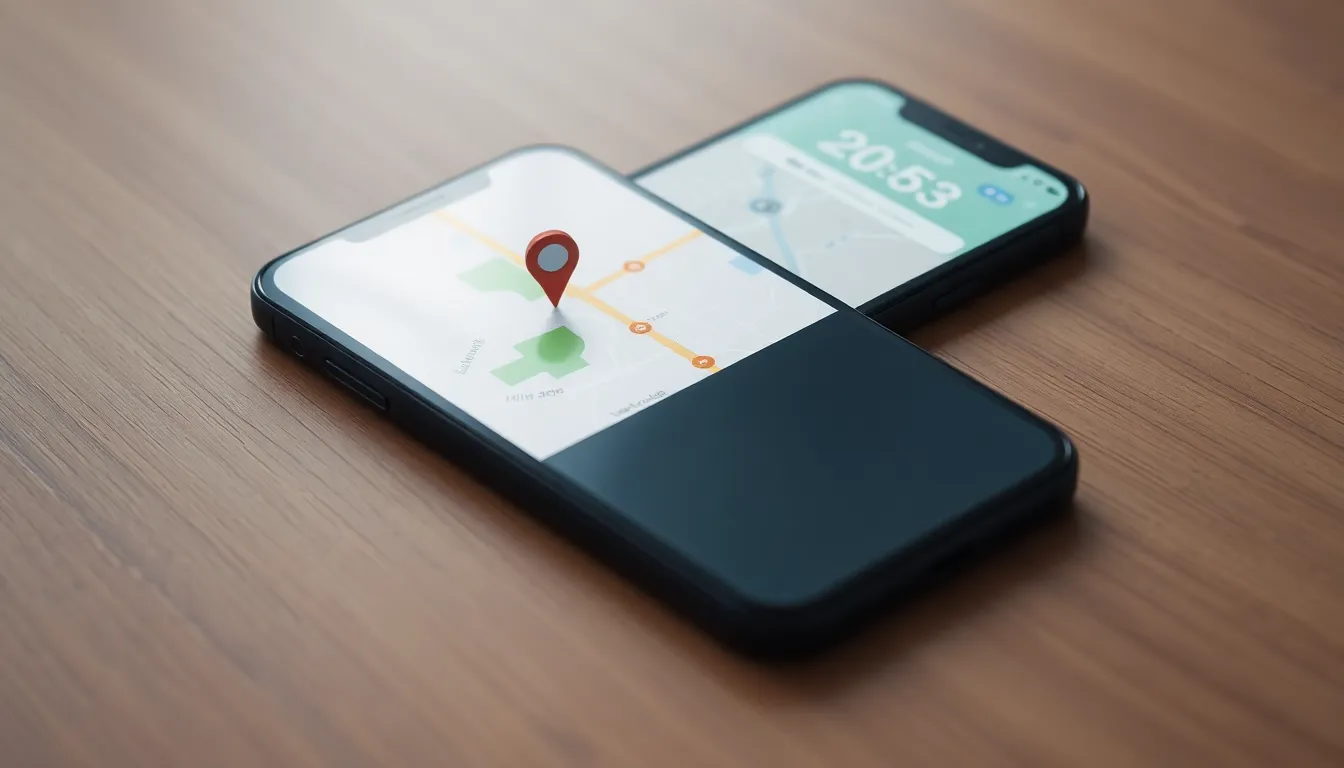
Finding a dead iPhone can be challenging, yet several methods assist in this process. Users often rely on these techniques to track their devices even when the battery loses power.
Using Find My iPhone
Find My iPhone serves as a crucial tool for locating devices. This feature operates seamlessly until the battery drains. Users can log into iCloud and access Find My iPhone to view the last known location. Tracking options include playing a sound, marking as lost, or erasing data. A visual map pinpoints the phone’s previous position, offering valuable insight. Even when the phone is turned off, its last location remains viewable for a short time. Knowing this information helps facilitate the recovery process.
Checking Last Known Location
Last known location offers further assistance in locating a dead device. Apple devices automatically report their last location periodically. Accessing this data is straightforward through the Find My app or iCloud. Users should check within the app to view the last recorded position. This information often includes the date and time of the last login. If the phone was misplaced nearby, this data can help narrow down the search area. Using this technique increases the likelihood of recovering the iPhone before any potential movement occurs.
Limitations of Tracking a Dead iPhone
Tracking a dead iPhone presents unique challenges. The device becomes unresponsive once the battery drains, significantly limiting tracking capabilities.
Battery Drain Considerations
Battery life directly affects the ability to locate an iPhone. If the device runs out of power, it stops transmitting location data. Users may find the last known location through services like Find My iPhone, but real-time tracking ceases. Tracking accuracy decreases once the battery drains completely. If a user waits too long to search, the phone could be moved without any updated location information.
Network Connection Issues
Losing signal connectivity complicates tracking further. A dead iPhone cannot send or receive data without a robust network connection. Users may notice that even if location services are enabled, weak cellular or Wi-Fi signals inhibit precise tracking. In urban areas, where signals fluctuate, locating the device may turn into a guessing game. Without a stable connection, reliable location updates aren’t possible, making the recovery of a dead iPhone significantly more difficult.
Alternative Solutions
Exploring alternative solutions can enhance the chances of locating a dead iPhone.
Using Third-Party Apps
Some third-party apps offer additional tracking capabilities. Certain apps allow tracking via GPS, even when devices are not connected to Wi-Fi. Not all apps provide the same level of access, so it’s wise to choose feature-rich options. Users should consider reviewing app permissions carefully before installation. Options like Life360 create shared location networks among friends or family, supporting device tracking effectively. Ultimately, these apps can be invaluable in scenarios where native tracking fails.
Contacting Service Providers
Reaching out to cellular service providers could yield useful insights. Many providers maintain records of the last known location of connected devices. Support representatives may offer guidance on tracking options based on network data. Various carrier services feature tools that assist with locating devices, even if they are off. This step can uncover information not readily accessible through personal device apps. Engaging with service providers often leads to additional resources that enhance search efforts.
Locating a dead iPhone is not just about convenience; it’s about safeguarding personal information and minimizing financial loss. Utilizing tools like Find My iPhone can provide crucial last known locations, helping users feel more secure in their search. While challenges exist, such as the device’s battery life and network connectivity, proactive measures can significantly enhance recovery chances.
Exploring third-party apps and engaging with cellular service providers can further bolster efforts to track down a misplaced device. By staying informed and prepared, users can navigate the emotional stress of losing an iPhone, ensuring a higher likelihood of reunion with their valuable device.