

Picture this: you’ve got a headache that feels like a marching band is practicing in your skull. You rummage through your medicine cabinet and find a bottle of ibuprofen that’s older than your last Netflix binge. Should you pop it or toss it?
Understanding Ibuprofen
Ibuprofen is a widely used nonsteroidal anti-inflammatory drug (NSAID) known for its pain-relieving properties. It’s effective for various conditions, but awareness of its applications and uses is crucial.
What Is Ibuprofen?
Ibuprofen works by reducing hormones that cause inflammation and pain. It belongs to the NSAID class of medications, which include other drugs like naproxen and aspirin. When taken, ibuprofen blocks the production of prostaglandins, compounds in the body that promote inflammation and pain. This mechanism makes it effective for treating mild to moderate pain and inflammation.
Common Uses of Ibuprofen
Individuals commonly use ibuprofen to alleviate headaches, toothaches, and menstrual cramps. It’s also prescribed for muscle aches, arthritis, and fever reduction. Many people find relief from sports injuries and minor injuries through its anti-inflammatory effects. Dosage varies, with typical recommendations being 200 to 400 mg every four to six hours as needed. For children, dosing depends on weight and age. Always consult a healthcare professional for specific guidance.
Expiration Dates Explained
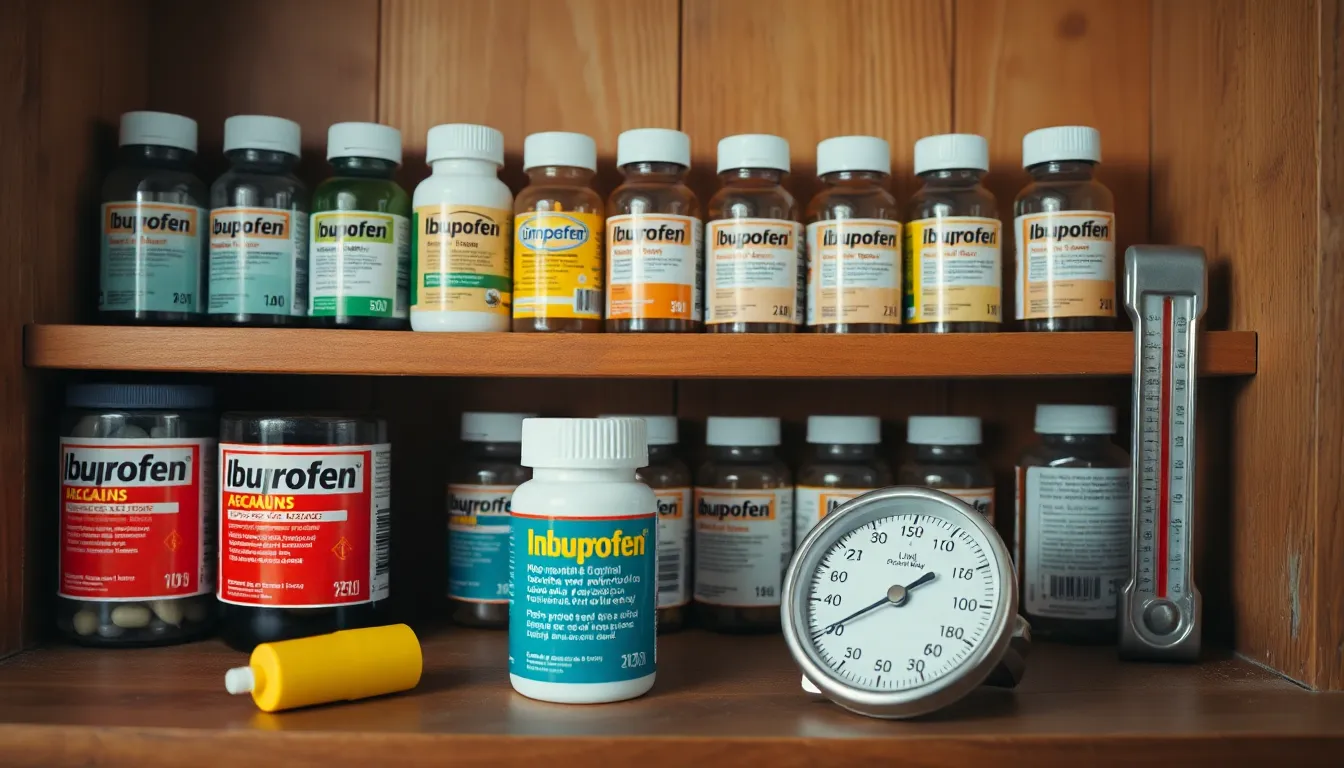
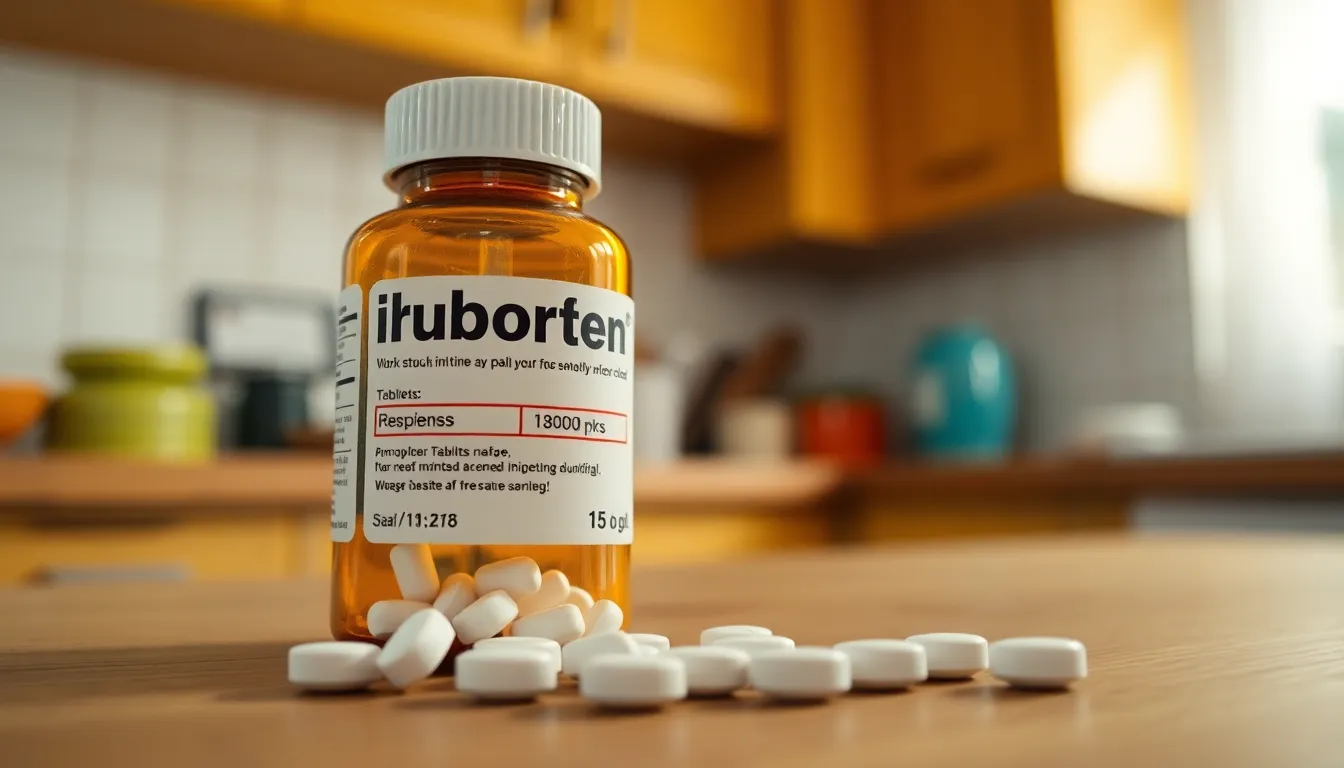
Expiration dates indicate the last day a medication maintains its full potency. Taking ibuprofen after this date raises concerns about safety and effectiveness.
The Meaning of Expiration Dates
Expiration dates serve as guidelines for consumers regarding medication’s effectiveness. Manufacturers assign these dates based on stability testing to ensure quality. While drugs may not become harmful after expiration, active ingredients can diminish over time. This decline affects how well ibuprofen works for pain relief. As a rule, medications lose potency gradually, but taking them past the expiration date isn’t advisable without consulting a healthcare professional.
Factors Affecting Drug Stability
Several factors influence the stability of ibuprofen and other medications. Temperature plays a critical role; storing drugs in a cool, dry place helps maintain effectiveness. Humidity can also degrade medications, making proper storage essential. Packaging impacts stability too; sealed bottles protect against light and moisture. Exposure to air affects drug potency, leading to a potential decrease in efficacy. Understanding these factors allows for safer use of medications and better management of health.
What Happens If You Take Expired Ibuprofen
Taking expired ibuprofen raises concerns about safety and effectiveness. While it may not be harmful, using medication past its expiration date isn’t advisable without consulting a healthcare professional.
Potential Risks and Side Effects
Expired ibuprofen can lead to unpredictable reactions. Users might experience reduced effectiveness, leading to inadequate pain relief. Taking a lower dose could result in prolonged symptoms. Some individuals may also face a higher risk of gastrointestinal issues, such as ulcers or bleeding, due to compromised efficacy. In rare cases, taking expired medication could trigger allergic reactions, resulting in further complications.
Efficacy of Expired Ibuprofen
Efficacy often diminishes after the expiration date. Studies indicate that many medications lose potency over time, including ibuprofen. Research shows that even after a year, a significant percentage of active ingredients may degrade. While some studies suggest that certain medications remain effective for years, this isn’t a guarantee for ibuprofen. Relying on expired ibuprofen might not provide the desired pain relief, making it essential to consider age and storage conditions when evaluating its effectiveness.
Recommendations for Safe Use
When it comes to using medications like ibuprofen, safety and proper handling are essential.
Guidelines for Medicine Storage
Store ibuprofen in a cool, dry place away from light. Placing it in a bathroom cabinet can expose it to humidity, which affects stability. A kitchen pantry may be a better option to maintain its efficacy. Make sure the bottle is tightly closed to prevent contamination. Children’s access to these medications should be restricted. Keeping all medications out of reach prevents accidental ingestion. In addition, always refer to the specific storage instructions that come with the medication, as these were designed to ensure potency.
When to Dispose of Expired Medication
Disposing of expired medications like ibuprofen carries specific guidelines. If the expiration date has passed, it’s wise to consider discarding the product. Medication that appears discolored or has changed in texture shouldn’t be used. For disposal, many communities offer take-back programs that safely handle unused medications. Flushing certain medications may also be recommended but check first with official guidelines. Remember, throwing medications in regular trash poses risks to the environment, so find safe and effective disposal methods.


