In the vast landscape of the NFL, few teams have made a splash quite like the Houston Texans. Picture this: it’s 2002, and the football world is buzzing with excitement as the Texans take the field for the very first time. They’re not just another team; they’re the fresh face in a league filled with storied franchises and legendary rivalries.
Overview of the Houston Texans
Established in 2002, the Houston Texans became the NFL’s 32nd franchise. Their creation marked the return of professional football to Houston after the Oilers relocated to Tennessee in 1996. Fans embraced the Texans with fervor, eager to support a new team in the city.
The team’s inaugural season was filled with excitement. They played their first game on September 8, 2002, against the Dallas Cowboys. That game not only showcased the Texans’ potential but also highlighted the intense rivalry with their Texas neighbor.
Head coach Dom Capers led the Texans during those early years, emphasizing a strong defensive strategy that laid the groundwork for future success. The franchise drafted players like David Carr as their first overall pick, who became the face of the team in its opening seasons.
In 2004, the Texans achieved their first victory against the Miami Dolphins, symbolizing a breakthrough moment for the organization. Over the years, the team continued to build through the NFL Draft and free agency. Talented players such as Andre Johnson and J.J. Watt emerged as key contributors, earning accolades and enhancing the team’s reputation.
Located in NRG Stadium, the Texans enjoy a passionate fan base. Attendance at home games regularly ranks among the highest in the league. Community engagement and outreach are also priorities for the organization, fostering strong local support and loyalty.
The Texans face off against rivals like the Jacksonville Jaguars and Indianapolis Colts. These matchups play a vital role in shaping the Texans’ competitive identity within the AFC South.
This overview showcases the Houston Texans’ journey as a promising and dynamic franchise in the NFL.
The Formation of the Team
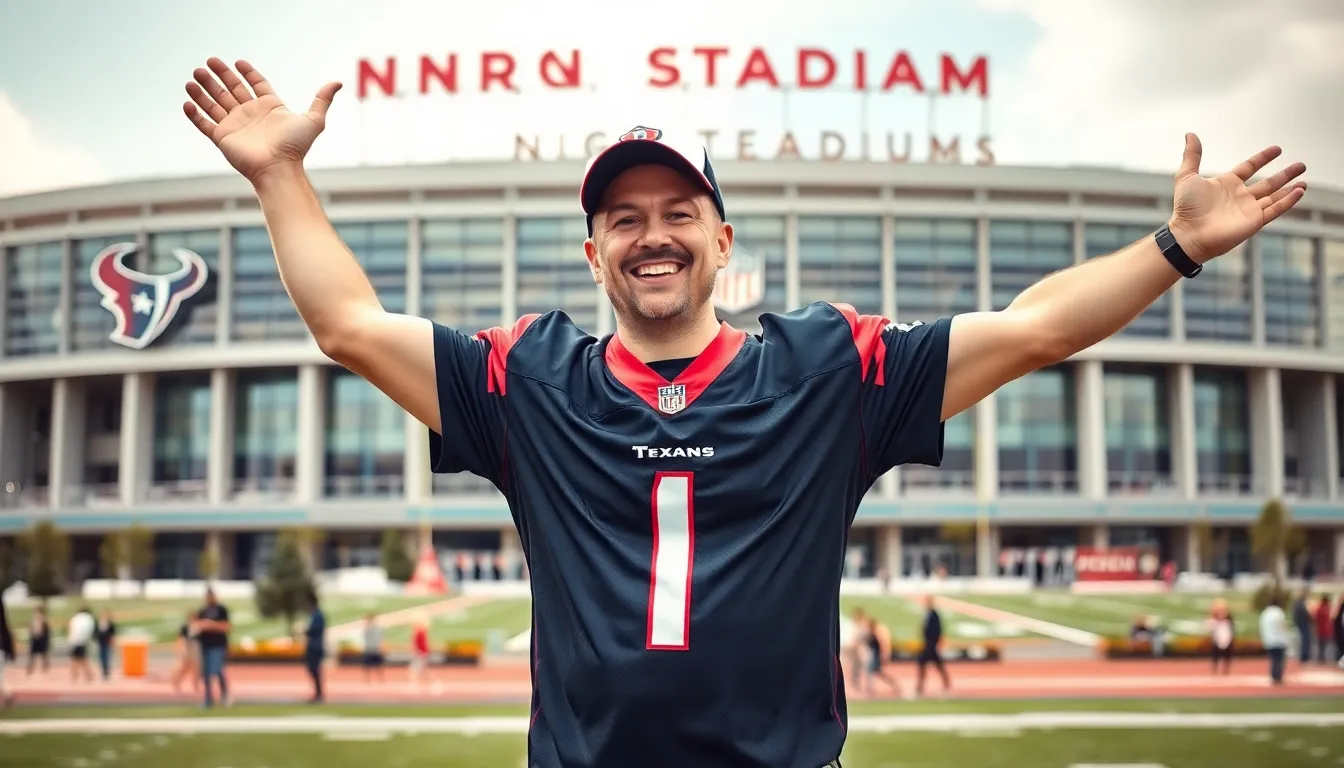
The Texans marked a significant moment in NFL history with their formation. After the Oilers moved in 1996, Houston longed for professional football, leading to a passionate fan base eager for a new team.
Initial Announcements
In October 1999, the NFL announced the Texans as the league’s 32nd franchise. This announcement ignited excitement in Houston, signaling the return of professional football. Bob McNair, the team’s first owner, played a crucial role in this process. McNair’s vision and dedication to the city were evident, as he aimed to create a competitive and community-focused franchise. The Texans participated in the 2002 NFL Expansion Draft, allowing them to select players from existing teams, further building anticipation for their inaugural season.
Ownership Decisions
Bob McNair’s leadership significantly influenced the Texans’ direction. McNair prioritized strong leadership by appointing experienced professionals, including head coach Dom Capers. His strategies focused on cultivating a winning culture and enhancing community engagement. Financial stability remained a priority, as McNair invested in team facilities and player development. Under his guidance, the team aimed to build a foundation for success, engaging fans excited about football’s return. Decisions during this period set the stage for the Texans’ growth and development within the league.
Joining the NFL
The Houston Texans entered the NFL as the league’s 32nd franchise in 2002, marking a significant chapter in the city’s sports history.
Expansion Draft Explained
In 2002, the Texans participated in the NFL Expansion Draft. This event allowed teams to select unprotected players from existing franchises. Each team had the opportunity to protect a limited number of players, ensuring that the Texans could build a competitive roster. Key picks included wide receiver David Carr and cornerback Dunta Robinson, both crucial to laying the foundation for the team. Strategic selections provided a mix of talent, addressing multiple positions and creating a diverse lineup.
First Season Highlights
The Texans’ inaugural season witnessed notable moments that captured fans’ attention. Fans celebrated their first game against the Dallas Cowboys on September 8, 2002. This matchup not only highlighted a budding rivalry but also represented hope for the franchise. Over the course of the season, the Texans struggled but achieved their first victory in 2004 against the Miami Dolphins. Players like Carr and Robinson steadily gained recognition, building the team’s identity and setting the stage for future development.
Impact on the NFL Landscape
The introduction of the Houston Texans changed the NFL’s dynamics significantly. As the 32nd franchise, they injected fresh energy into the league after a five-year absence of professional football in Houston. Competitive balance shifted with the Texans’ establishment, as new rivalries began to form, particularly with the Jacksonville Jaguars and Indianapolis Colts in the AFC South.
Their inaugural game against the Dallas Cowboys became a historical highlight, drawing immense local interest and showcasing cross-town rivalry potential. The presence of high-profile players like David Carr further contributed to the franchise’s visibility, establishing a new narrative within an already rich tapestry of NFL history.
Bob McNair’s leadership played a crucial role in shaping the Texans’ ethos. He focused on building community relationships and ensuring the franchise remained financially stable. That commitment resonated with fans, fostering loyalty and support.
Over the years, the Texans’ performance on the field influenced league dynamics as well. The rise of star players like Andre Johnson and J.J. Watt not only elevated the team’s status but also transformed how franchises approached player development and building competitive rosters.
The Texans’ fan engagement became a model for franchises seeking to create strong local connections. Community programs initiated by the team demonstrated the importance of outreach and fan involvement. Overall, the Texans’ impact transcended the field, marking a new era of growth and resiliency within the NFL landscape.
The Houston Texans’ entry into the NFL marked a pivotal moment not just for the franchise but for the entire league. Their establishment revitalized Houston’s football scene and introduced a new era of competition and excitement. With a passionate fan base and a commitment to community engagement, the Texans have carved out their identity in the NFL landscape. Key players and rivalries have further solidified their place in the league, showcasing their growth and potential. As they continue to evolve, the Texans remain a symbol of resilience and ambition in professional football.